






×
Get a Quote

New Build 2-Bedroom House on Vacant Plot in Greenwich – Case Study

Development Type

New Houses / Flats
Building Regulations

Borough

Greenwich

50 Durham Rise, London, SE18 7QT

Development Type

New House


Proposed Development

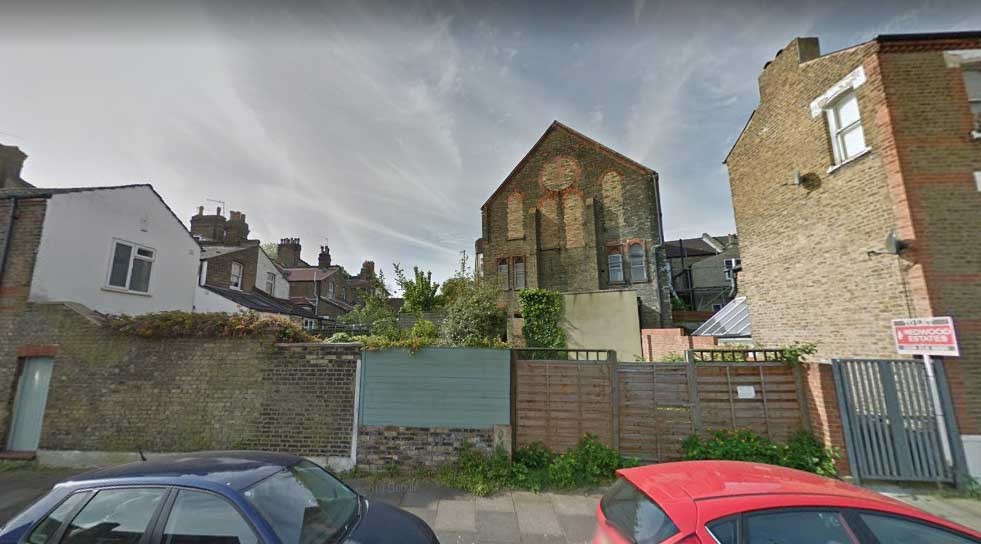
New build of two bedroom house on vacant plot of land. 


4D Planning's role

4D Planning led the project from initial concept through to planning approval and technical compliance. We prepared detailed architectural designs, coordinated closely with the local planning authority to ensure full adherence to Greenwich planning policies, and resolved key design constraints such as access, neighbour impact, and site orientation. Once planning permission was secured, we discharged the relevant planning conditions, and our team collaborated with the structural engineer and building control to develop the technical design in line with Building Regulations, producing compliant construction documentation and resolving coordination matters on behalf of the client.


Obtaining Planning Permission for a New House in Greenwich

Securing planning permission for a new house within the Royal Borough of Greenwich requires a detailed understanding of local planning policy, site constraints, and the council’s design expectations. While new residential development is supported in principle, proposals for individual houses on vacant or underused plots are often subject to close scrutiny, particularly where they sit within established residential streets.

This case study demonstrates how a carefully planned approach, supported by early professional advice, can significantly improve the likelihood of a successful planning outcome.


Understanding the Greenwich Planning Context

Greenwich places strong emphasis on design quality and contextual response. New houses are assessed against the Greenwich Local Plan and national planning guidance, with particular attention paid to scale, massing, layout, and the impact on neighbouring properties.


Design Quality and Neighbouring Impact

Key considerations typically include overlooking, loss of privacy, daylight and sunlight impacts, and whether the proposed building appears visually subordinate within its setting. Even modest increases in height or footprint can lead to concerns if they are not justified through good design.


Choosing a Suitable Plot for a New House

Not all vacant plots are suitable for residential development. One of the most common misconceptions is that unused land automatically equates to development potential.


Assessing Physical and Policy Constraints

Factors such as access, relationship to neighbouring buildings, existing building lines, and visibility from the public realm must be carefully assessed. In Greenwich, additional constraints may include protected open space designations, nearby heritage assets, or mature trees that limit developable area.

Early assessment of these factors helps determine whether a plot can realistically accommodate a new dwelling and, if so, at what scale.


The Importance of Early Feasibility Advice

Engaging a planning consultant at an early stage allows the development potential of a site to be tested before committing to detailed design or significant costs.


Avoiding Overdevelopment and Policy Conflict

Early feasibility work typically includes a review of planning history, site constraints, relevant appeal decisions, local precedent and an assessment of how current policies apply to the site. This process helps to identify potential risks and ensures that proposals are not overly ambitious or fundamentally at odds with local policy.


Designing a Policy Compliant Scheme

Once feasibility is established by our planning consultants, the design must carefully balance the client’s objectives with planning policy requirements.


Scale, Layout and Appearance

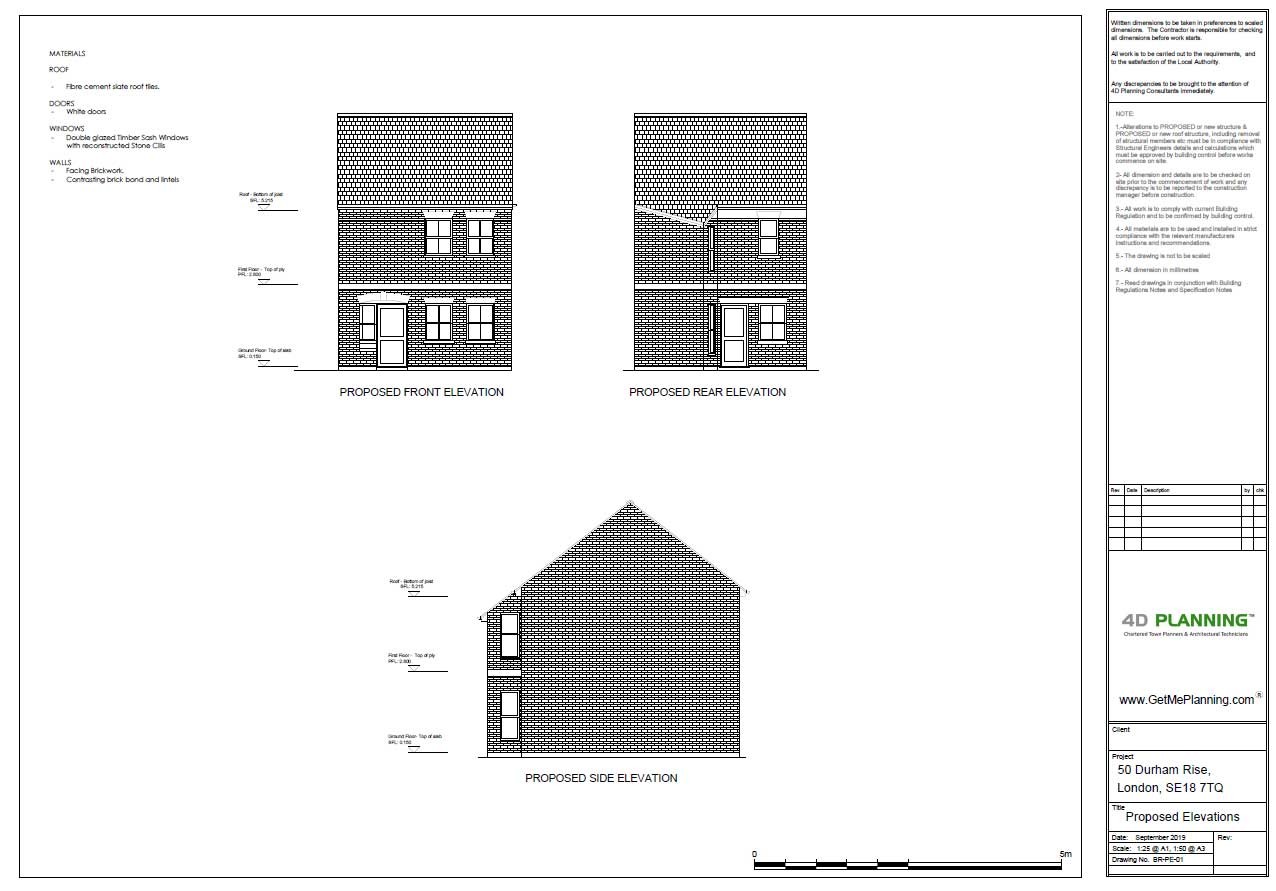
In this scheme, careful attention was paid to building height, roof form, window positioning, and separation distances. These elements are critical in addressing common Greenwich planning concerns relating to overlooking, dominance, and visual impact.

Clear justification within the planning submission is essential to demonstrate how the proposal responds positively to its context and environment.


Navigating the Planning Application Process

The planning application stage requires clear coordination and proactive engagement with the local authority.


Responding to Planning Officer Feedback

Greenwich planners expect applications to be well prepared that comply with validation requirements, accurate, and supported by proportionate technical information. Where concerns arise during the assessment process, timely responses and minor design refinements can often resolve issues without the need for delays or a refusal.

A planning consultant plays a key role in managing dialogue with the council and presenting the proposal in a clear and structured way while ensuring that all key considerations have been addressed in the application. 4D Planning also respond to any planning objections from neighbours or other stakeholders who were invited to comment on the scheme during the consultation period.


The Role of 4D Planning in Delivering the Project

4D Planning led the project from early feasibility through to planning approval and post consent technical coordination. We prepared the architectural design, planning drawings, and supporting documentation to demonstrate full compliance with Greenwich planning policies.


Building Regulations and Technical Coordination

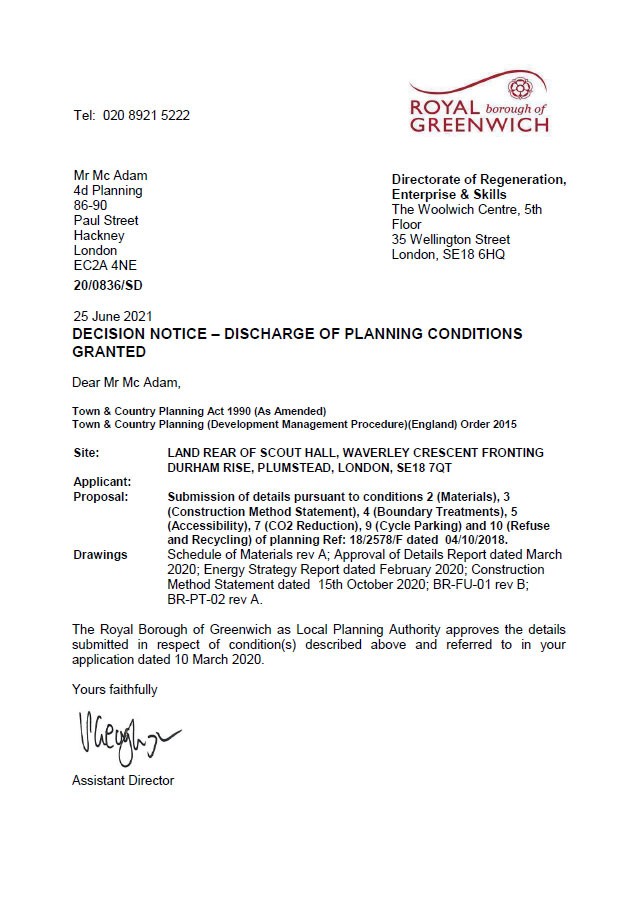
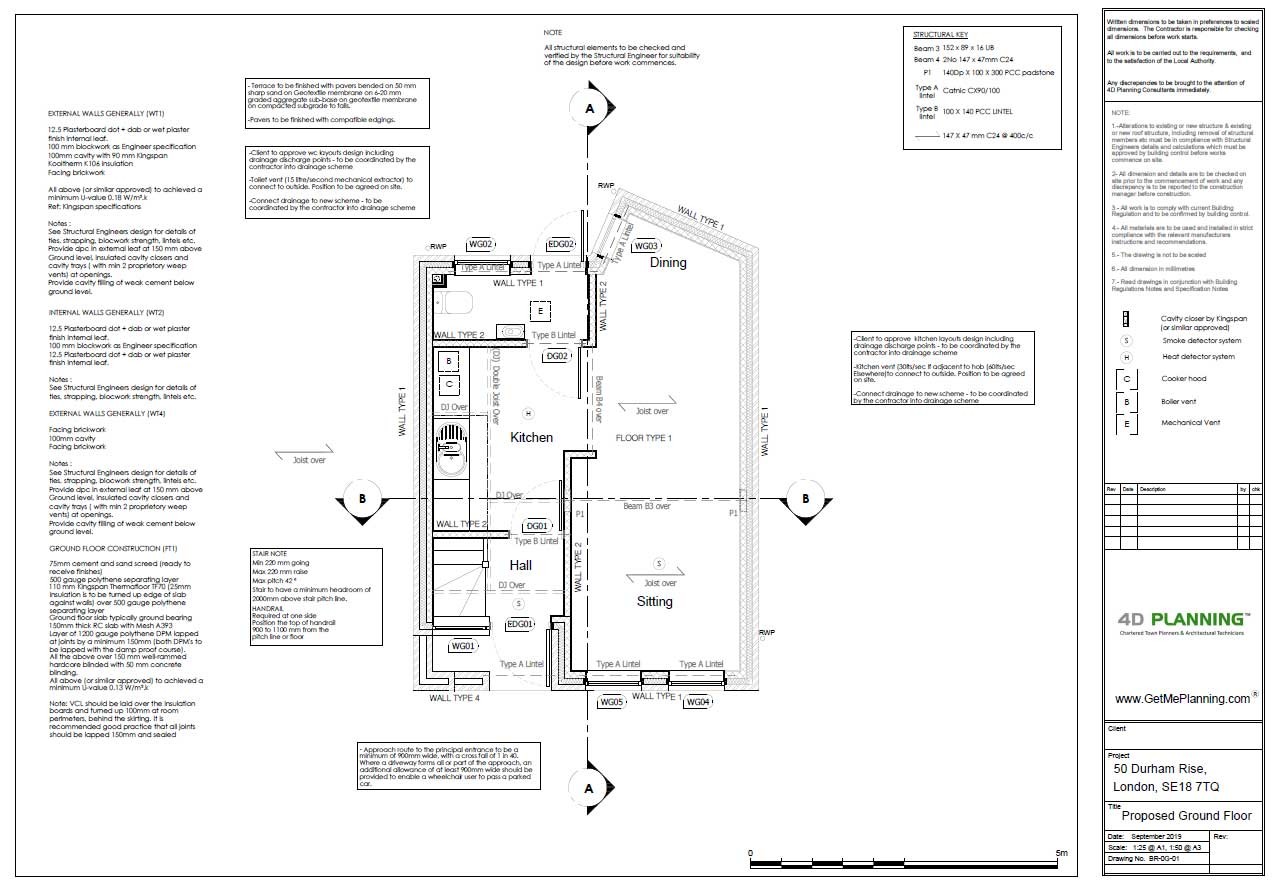
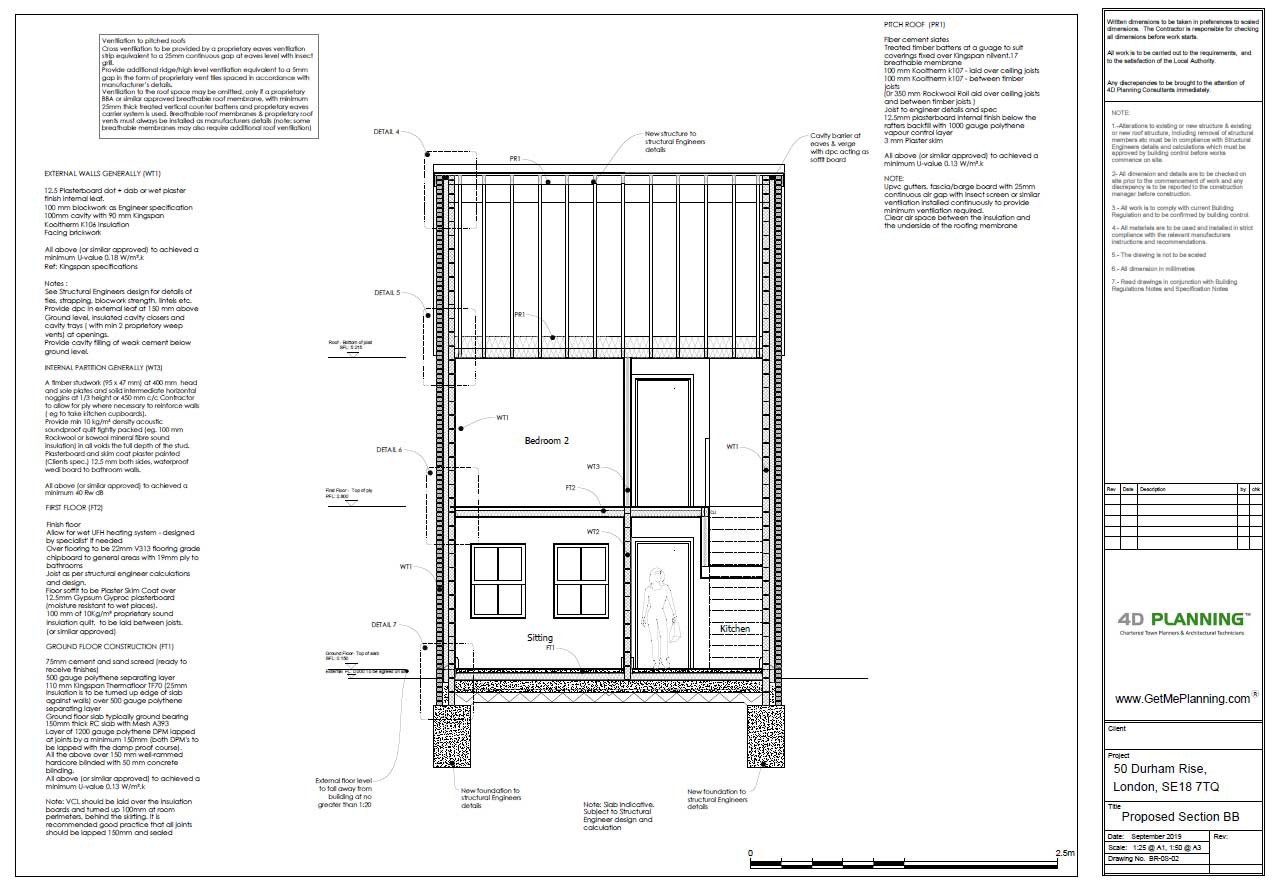
Following the grant of planning permission, we coordinated with the appointed structural engineer and building control body to develop the technical design in accordance with Building Regulations. This ensured that structural integrity, fire safety, accessibility, and general compliance requirements were fully addressed prior to construction. We also coordinated with the structural engineer to ensure that everything worked and was synced on the plans well ahead of any construction works. This method potentially saves the client money and headache during the construction phase, as it allows issues to be flagged up at the design phase.


Why Early Planning Advice Matters

This project highlights the importance of engaging a planning consultant at the earliest stages of a development. Early professional input helps manage risk, identify realistic development potential, and guide design decisions that align with local policy.

For landowners and developers considering a new house in Greenwich, early planning advice can make the difference between a refused application and a successful outcome, saving both time and cost while improving certainty throughout the process. Get in touch with our team for a free consultation to discuss your potential project. Contact Us TODAY!

or

Let's discuss how we can help you on your next project

Get in touch today to speak to a Chartered Planning Consultant for a free no-obligation quote


Message Us NowMessage Us
Online